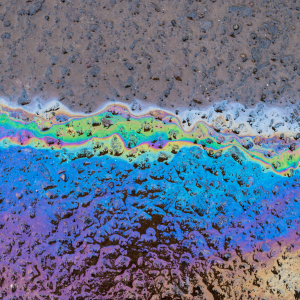
Illicit discharges are the intentional dumping or accidental spilling of materials into the storm sewer, gutters, drainageways, and ditches that discharge to our waterways. Typically, an illicit discharge is any unauthorized substance entering into the storm sewer system excluding rainwater.
Illicit Discharges
Examples of Situations that Harm Our Water Supply
- When homeowners or landscapers place piles of compost or topsoil in the street for later use, they can block water from flowing along the curb and gutter. This reduces the drainage system’s ability to handle runoff. As the material washes into nearby ponds and streams, it breaks down, fuels algae growth, and lowers oxygen levels in the water.
- Cars and trucks can leak oil, gas, or antifreeze onto roads and parking lots. When it rains, these fluids wash into storm drains. Even small leaks can add up over time. Oil and gas are toxic to fish and can coat the surface of the water, making it hard for oxygen to get in.
- Leftover paint, concrete wash water, or cleaning chemicals should never be poured into the street or a storm drain. These materials can change the water’s chemistry and kill fish and insects. Concrete wash water is especially harmful because it is very alkaline and can burn plants and animals living in streams.
- When people wash cars or trash cans in the street or driveway, the dirty soapy water can run into a storm drain. This water often contains soap, grease, food waste, and germs. Storm drains do not clean the water before reaching rivers and streams. Soap can harm fish by removing oxygen from the water and can make streams unhealthy for plants and animals.
- Pet waste left on lawns, sidewalks, or trails can be washed into gutters when it rains. This waste carries bacteria and nutrients. Bacteria can make water unsafe for people, and extra nutrients can cause algae to grow too fast, which lowers oxygen levels in the water.
- Water from power washing driveways, cleaning patios, or draining pools can flow into storm drains if not handled correctly. This water may contain dirt, chemicals, or chlorine. Chlorine and cleaners can harm fish and other aquatic life even in small amounts.
- If a septic system is not maintained, it can leak or overflow. Wastewater can be transported to ditches, creeks, or storm drains during a storm event. This waste contains bacteria and nutrients that can pollute water and make it unsafe for swimming or fishing.
- When soil is not protected by grass, plants, or mulch, rain can wash dirt and mud into streets and storm drains. Construction sites, steep slopes, and bare yards are common sources of sediment. This sediment clouds the water, impacts fish habitat, and carries nutrients that can lead to algae growth and low oxygen levels.
Illegal Dumping
Dumping into roadside ditches, as well as any other public or private areas, is also unlawful.
Large trash and debris can clog culverts, block storm drain inlets, divert flows, and reduce the conveyance capacity of channels, streams and watercourses creating a flood hazard.
Dumping includes yard or construction waste, appliances, mattresses, sofas, tires, TVs, shopping carts, brush, fill, etc.
Ways to Report Illicit or Illegal Dumping
Please help El Paso County prevent water pollution and help keep our waterways clean by reporting any pollution entering our storm drains or waterways. To report an illicit discharge, please contact the Stormwater Team via email at Stormwater@elpasoco.com, call El Paso County Department of Public Works Dispatch at 719-520-6460, or reach out via the request form.
Report an Illicit Discharge or Illegal Dumping